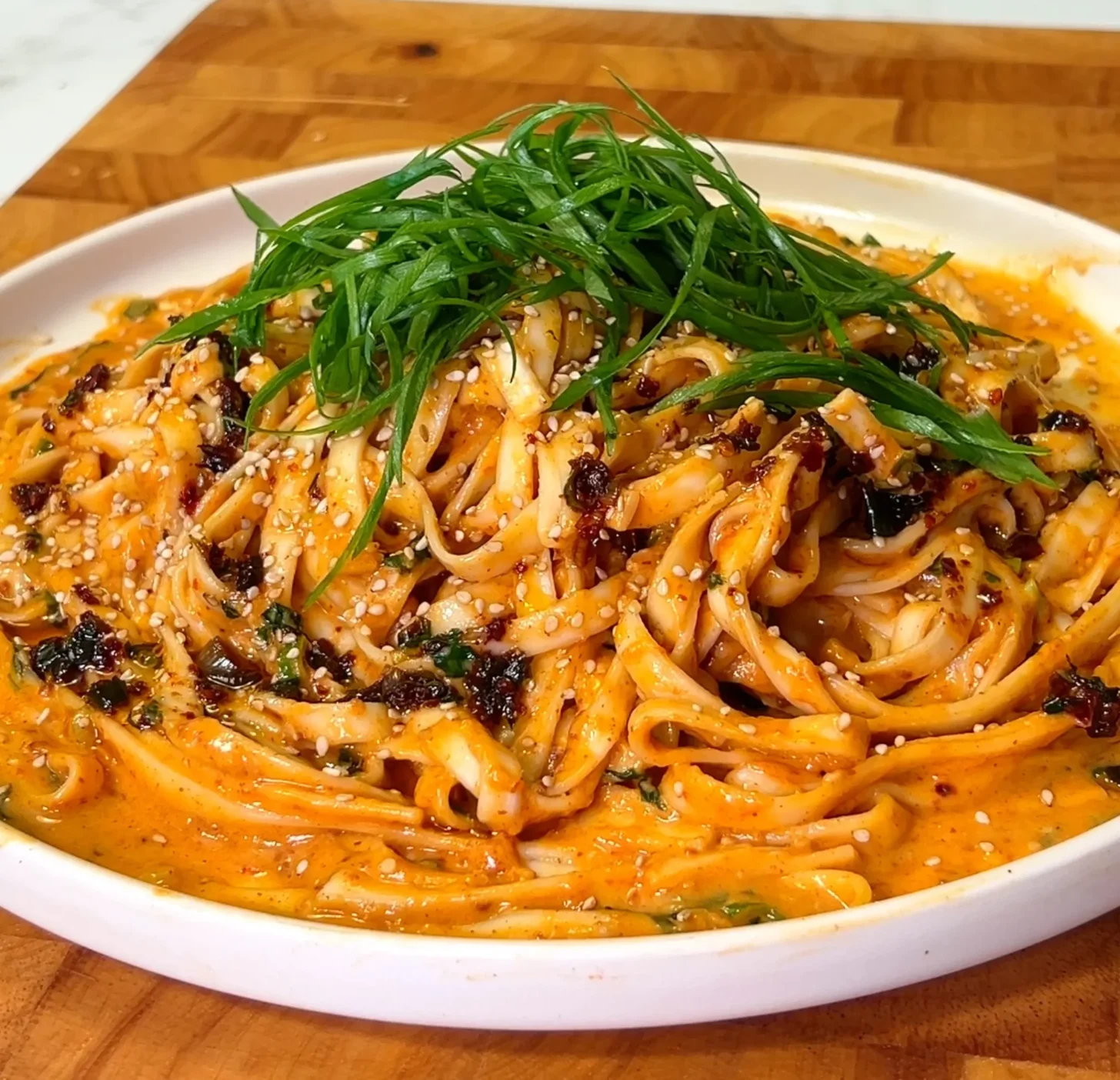
Versatile Peanut Noodles: Hot, Cold, GF & Meal Prep Perfect
In the realm of quick, comforting, and incredibly flavorful dishes, peanut noodles stand out as a true culinary superstar. Imagine a dish that satisfies your takeout cravings, comes together in minutes, and tastes equally phenomenal whether served hot, warm, or chilled. This isn't a dream; it's the reality of a well-crafted batch of peanut noodles. Perfect for bustling weeknights, a delicious packed lunch, or even an elegant potluck contribution, this versatile meal is a testament to the power of simple, pantry-friendly ingredients transforming into something extraordinary.
From their creamy, savory-sweet sauce to the endless possibilities for customization, peanut noodles have earned their spot as a go-to for home cooks seeking both speed and satisfaction. Whether you're a seasoned chef or a kitchen novice, preparing this dish is surprisingly straightforward, offering a gourmet experience without the fuss. Let's dive into what makes this dish a true all-rounder, exploring its appeal, the magic behind its signature sauce, and how to make it your own.
The Allure of Peanut Noodles: More Than Just a Meal
What gives peanut noodles their undeniable charm? It's a combination of factors that hits all the right notes for modern lifestyles. Firstly, their speed. Most recipes, like the one we'll explore, boast a prep-to-plate time of under 30 minutes, often closer to 20. This makes them an absolute savior on those evenings when time is short but the desire for a homemade, wholesome meal is strong.
Beyond speed, it's their inherent versatility. Unlike many dishes that are best enjoyed immediately and piping hot, peanut noodles are incredibly forgiving. They're delicious straight from the pan, comforting when served warm, and utterly refreshing when chilled. This makes them an ideal candidate for meal prep. Imagine opening your lunchbox to a vibrant, flavorful bowl of noodles that’s already perfect at room temperature – no microwave needed. This adaptability also extends to dietary needs, with numerous options to make them gluten-free, vegetarian, or even vegan, as well as accommodating various spice tolerances.
Finally, the comfort factor cannot be overstated. There's something deeply satisfying about the creamy texture of the peanut sauce clinging to every strand of noodle. It’s a dish that feels indulgent yet can be packed with nutrients, evoking the deliciousness of your favorite Asian takeout but with the freshness and quality control of home cooking. This comforting richness, coupled with a customizable kick of spice, creates an irresistible experience that’s likely to become a regular fixture in your recipe rotation.
Crafting the Perfect Peanut Sauce: A Symphony of Flavors
The heart and soul of any exceptional peanut noodles dish lie squarely in its sauce. It's a harmonious blend of sweet, savory, tangy, and spicy notes that creates a complex flavor profile from surprisingly simple ingredients. Mastering this sauce is key to unlocking the true potential of the dish.
- The Star: Natural Peanut Butter. This is your foundational ingredient, providing the creamy texture and rich, nutty flavor. Opt for natural peanut butter with minimal added sugar and oils for the best taste and nutritional benefits. Peanut butter is not only delicious but also contains healthy fats that support heart health. If peanut allergies are a concern, cashew butter or sunbutter make excellent, albeit slightly different, alternatives.
- The Umami Core: Soy Sauce (or Alternatives). Soy sauce contributes a crucial salty, savory depth that balances the sweetness and richness of the peanut butter. For those managing sodium intake, low-sodium soy sauce works perfectly. If you're avoiding gluten, tamari is an excellent gluten-free soy sauce alternative that maintains all the umami flavor. For a soy-free and gluten-free option, coconut aminos provide a similar savory kick.
- The Brightness: Acidity. A touch of acidity cuts through the richness of the peanut butter, preventing the sauce from being too heavy. Cider vinegar, rice vinegar, or fresh lime juice are classic choices, adding a zesty, fresh finish that elevates the entire dish.
- The Sweet Counterpoint: Sugar. A small amount of sugar (white sugar, brown sugar, or even maple syrup) balances the savory and spicy elements, creating a well-rounded flavor profile. It's often the ingredient that makes the sauce truly addictive.
- The Kick: Heat. For many, the "spicy" in spicy peanut noodles is non-negotiable. Crushed red pepper flakes are a traditional choice, but sriracha or chili garlic paste offer a more intense and complex heat. Adjust the amount to your personal preference – a little goes a long way!
- The Aromatics: Fresh Ginger & Garlic. These fresh ingredients are absolute game-changers, transforming the sauce from simple to restaurant-quality. Minced fresh ginger root and garlic cloves add bright, pungent notes that bring incredible depth and complexity. Sautéing them briefly in sesame oil awakens their flavors before the other sauce ingredients are added.
- The Emulsifier: Hot Water (or Broth). Hot water is crucial for thinning the peanut butter into a smooth, pourable sauce and ensuring all the ingredients combine beautifully. Vegetable broth can be used for an extra layer of flavor.
- The Essential: Sesame Oil. A drizzle of toasted sesame oil adds a nutty, aromatic richness that is quintessential to Asian-inspired noodle dishes. It’s best used as part of the sauce base and sometimes as a finishing touch.
By understanding the role each ingredient plays, you gain the confidence to tweak and experiment, ultimately creating your signature peanut noodles sauce. For a deeper dive into crafting this perfect concoction, explore our guide on Mastering Creamy Peanut Noodles: Bold Flavor from Pantry Staples.
Noodle Know-How: Picking Your Perfect Base
While the sauce is the star, the noodles are the stage. The right noodle provides the perfect vehicle for the rich, creamy sauce, ensuring every bite is coated in deliciousness. The good news is that peanut noodles are incredibly adaptable when it comes to pasta choice.
- Classic & Accessible: Spaghetti or Fettuccine. Don't underestimate the power of pantry staples! Regular spaghetti or fettuccine work exceptionally well. Their long strands are perfect for soaking up the generous sauce.
- Asian Essentials: Rice Noodles & Soba. For a more authentic Asian flair, rice noodles are a fantastic gluten-free option, available in various widths from thin vermicelli to wider pad Thai style. Soba noodles, made from buckwheat, offer a distinct nutty flavor and are often gluten-free (though always check labels carefully, as some American brands may contain wheat). Udon or Somen are also excellent choices for their unique textures.
- Gluten-Free & Protein-Packed Options: The market for gluten-free pasta has exploded, offering fantastic choices like those made from brown rice, corn, or legumes. Chickpea pasta, in particular, not only provides a gluten-free base but also adds a significant protein boost, making your peanut noodles even more satisfying.
The key is to choose a long noodle that can effectively carry the sauce without breaking apart too easily. Cook your chosen noodles according to package directions, typically until al dente, then drain and toss immediately with the prepared sauce for optimal coating.
Beyond the Basics: Customizing Your Peanut Noodle Experience
While delicious on their own, peanut noodles truly shine when customized with additional ingredients. This is where you can transform a simple side dish into a complete, nutrient-packed meal tailored to your preferences.
- Vegetable Power-Ups: Boost the health factor and add vibrant color and texture. Stir-fried broccoli florets, thinly sliced bell peppers, shredded carrots, snow peas, spinach, or edamame are all excellent additions. You can quickly sauté them, steam them, or even toss them in raw for extra crunch.
- Protein Boosts: To make it a hearty main course, incorporate your favorite protein. Grilled chicken or shrimp are popular choices, while plant-based options like crispy pan-fried tofu or tempeh absorb the sauce beautifully. Cooked chickpeas or shelled edamame also provide a quick and easy protein source.
- Garnish Game Changers: Don't skip the finishing touches! Garnishes add layers of flavor, texture, and visual appeal. Sliced green onions (both white and green parts), a generous sprinkle of crushed peanuts, toasted sesame seeds, and fresh cilantro are classic choices. A wedge of lime for squeezing just before eating adds a final bright flourish.
This adaptability also makes peanut noodles perfect for meal prepping. Prepare a larger batch at the beginning of the week, divide it into containers, and you have healthy, delicious lunches or dinners ready to go. Because they taste great hot, warm, or cold, you don't even need to worry about reheating if you're packing them for a lunch on the go.
Quick & Easy Peanut Noodles: Your Go-To Recipe Outline
Ready to make your own batch of these delightful peanut noodles? Here's a streamlined guide, inspired by classic methods, that brings this dish to life in under 20 minutes.
- Cook Your Noodles: Bring a large pot of salted water to a rolling boil. Add 8 ounces of your chosen noodles (spaghetti, fettuccine, rice noodles, etc.) and cook according to package instructions until al dente. Drain well and set aside.
- Sauté the Aromatics: While the noodles cook, heat 2 tablespoons of sesame oil in a small skillet over low heat. Add the sliced white parts of one bunch of green onions and 1 teaspoon of minced fresh ginger root. Sauté for 1-2 minutes until tender and fragrant, but not browned.
- Whisk the Sauce: Remove the skillet from heat. Whisk in ⅓ cup peanut butter, ¼ cup soy sauce (or tamari/coconut aminos), ¼ cup hot water, 1 tablespoon cider vinegar, 1 teaspoon white sugar, and ¼ teaspoon crushed red pepper flakes. Stir until the sauce is smooth and well combined. If the sauce is too thick, add another tablespoon or two of hot water until it reaches your desired consistency.
- Combine & Serve: Transfer the drained noodles to a large bowl. Pour the freshly made peanut sauce over the noodles. Toss thoroughly, ensuring every strand is generously coated.
- Garnish & Enjoy: Serve immediately, or chill for later. Garnish with the green parts of the sliced green onions, crushed peanuts, sesame seeds, and fresh cilantro, if desired. A squeeze of fresh lime juice just before serving adds an extra burst of brightness.
This foundational recipe can be easily adapted. Feel free to add cooked protein like chicken or tofu, or a handful of steamed vegetables to the noodles before tossing with the sauce.
Conclusion
The appeal of peanut noodles is undeniable. They are a true culinary chameleon – equally delicious served hot, warm, or cold, and incredibly adaptable to various dietary needs and taste preferences. With their creamy, bold flavor and the ease with which they come together, it's no wonder they are a go-to for busy weeknights, convenient meal prep, and satisfying lunches. By understanding the core components of the sauce and exploring different noodle and add-in options, you can create a truly personalized and unforgettable dish every time. So, next time you're craving something comforting, quick, and bursting with flavor, look no further than the versatile and utterly delightful world of peanut noodles.
